In adult primary care and cardiology clinics, medication reconciliation (med rec) is a crucial practice to ensure patient safety. Yet, one often overlooked aspect during intake is the supplements older adults take. Older patients tend to use more dietary supplements than younger populations, and this supplemental intake can significantly impact clinical decisions, medication safety, and overall care management.
This blog explores why older adults frequently take more supplements, the importance of supplement disclosure, and how accurate medication list documentation can mitigate polypharmacy risk. We also dive into industry standards from reputable companies like Joy Organics, the value of USDA Organic certifications, and NSF quality assurance — all within the context of supplement batch verification tools like QR code batch lookup and batch numbers printed on cartons.
Why Do Older Adults Take More Supplements?
The supplement habits of older adults are influenced by multiple factors:
- Managing chronic conditions: Supplements are often seen as adjuncts to prescription medicines for heart health, joint pain, cognitive support, or immune enhancement. Preventive health focus: Many older adults take vitamins, minerals, and herbal supplements to stave off nutrient deficiencies and maintain vitality. Influence of marketing and cultural trends: Brands such as Joy Organics promote hemp-based products with claims of anxiety relief and inflammation reduction, appealing to this demographic. Access and affordability: Supplements can sometimes be perceived as more accessible than prescription medications or specialist visits.
The result is often a complex supplement regimen layered on top of prescribed medications — a scenario ripe for polypharmacy risk.
Why Supplement Disclosure Matters for Medication Reconciliation
At intake, many nurses and clinicians face challenges ensuring medication list accuracy due to incomplete patient-reported supplements or vague documentation.
- A note saying only “CBD oil” without dose or brand — a red flag for quality and dosing information. Missing batch numbers or dates that preclude verification. Certificates of Analysis (COAs) that list “pass/fail” results without numeric potency, raising questions about product consistency and efficacy.
Accurate disclosure of supplements helps:
- Identify potential interactions or additive effects with prescribed drugs. Evaluate the reliability and safety of the supplement product. Ensure patient adherence and optimize therapy outcomes.
Using Certificates of Analysis (COAs) in Med Rec
A COA is a laboratory analysis report provided by third-party testing labs that verifies the product's contents, including potency, purity, and contaminants.
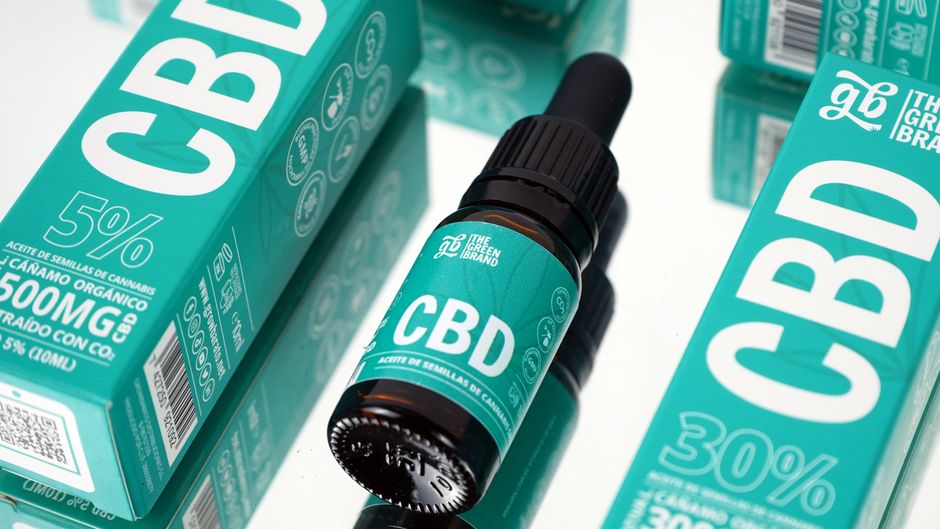
COA Component Why It Matters Red Flags Potency Units Verify mg per serving, cannabinoid concentrations Listed as “pass/fail” only, no concentrations Batch Number & Date Allows matching product to test results and expiration No batch number or mismatch between COA and product carton Contaminant Screen Ensures no harmful heavy metals, pesticides, or microbes Incomplete or outdated screens Report Format Clear numeric values facilitate interpretation Summary “pass/fail” panels without raw dataBefore discussing a supplement with a patient, always ask to see the actual bottle or carton. Look for the batch number printed on the carton. Many reputable companies like Joy Organics provide a QR code batch lookup on their packaging, allowing quick access to the COA and batch verification online. This step is essential for confirming product integrity and potency.
Potency Units and Serving Size: Why Dose Matters
Writing doses properly is key to med rec accuracy. Potency is usually expressed in milligrams (mg) per serving, but patient usage may vary from the labeled serving size.
- Example: The label may say 25 mg CBD per serving, but the patient might take half a serving or 2 servings per day. Always document both “25 mg per serving” and the patient’s real-world intake. Different types of cannabinoids (acidic vs neutral) affect potency calculations. For example, CBDA is the acid form that slowly converts to CBD (neutral). Total cannabinoid calculations may include both acid and neutral forms—knowing these distinctions aids clinical interpretation.
Polypharmacy Risk Associated with Supplements
Polypharmacy is broadly defined as taking five or more medications simultaneously, including supplements. It elevates risks for:
Drug-supplement interactions Adverse drug reactions Non-adherence due to regimen complexity Hospitalizations and morbidityOlder patients commonly juggle multiple prescriptions and supplements, highlighting the importance of a thorough and accurate med rec.
Quality Certifications and Why They Matter
Certifications provide some assurance that the supplement adheres to good manufacturing practices:
- USDA Organic: Confirms organic agricultural production, avoiding harmful pesticides and synthetic fertilizers. NSF International: Tests for contaminants and certifies product contents, often required for sports supplements. Joy Organics is known for transparent batch testing with accessible COAs, providing confidence in purity and potency.
Look for these seals on packaging and verify the associated batch COAs through QR codes or batch lookup tools as part of med rec.
How Nurses Can Improve Supplement Documentation in Med Rec
As a medication reconciliation lead with over a decade of clinic experience, here is a short checklist for assessing supplement disclosures during patient intake:
Ask to see the bottle or carton instead of relying on verbal reports. Check the batch number on the packaging and scan the QR code if available to review the COA. Confirm potency and serving size from the label and note the patient’s actual intake. Verify product date and batch matching with the COA document. Look for red flags: vague labeling (“CBD oil”), no batch info, pass/fail-only panels, or suspect brands. Record all details clearly and precisely in the medication list with both mg dose per serving and patient usage.Conclusion
Older patients often take multiple supplements to complement their prescribed medications, impacting medication list accuracy and increasing polypharmacy risk. As healthcare professionals, we must dig deeper than https://nursekey.com/reading-a-certificate-of-analysis-a-clinicians-guide-to-supplement-quality/ surface-level disclosures by verifying supplement quality through COAs, batch numbers, and industry certifications from trusted companies like Joy Organics, USDA Organic, and NSF.

Using batch lookup tools and being meticulous about serving sizes and potency units will strengthen medication reconciliation processes and ultimately improve patient safety and care outcomes.
```