The healthcare sector faces a complex challenge: delivering effective, safe care while simultaneously being environmentally responsible. As the industry grapples with reducing its environmental footprint, the concept https://smoothdecorator.com/how-much-waste-does-healthcare-create-unpacking-the-environmental-impact/ of sustainability in healthcare emerges not as a simple checklist but as a nuanced balancing act. It requires understanding trade-offs, managing supply chains, and reconciling patient safety with eco-friendly practices. This balancing act is especially evident in areas such as medical cannabis production, where companies like Releaf and medicalcannabis.co.uk exemplify the intersection of clinical efficacy and environmental responsibility.
Healthcare’s Environmental Footprint: More Than Meets the Eye
Healthcare systems worldwide are significant contributors to environmental degradation, responsible for substantial greenhouse gas emissions, energy consumption, and waste production. Hospitals and clinics run 24/7, consuming vast amounts of energy for lighting, climate control, and sterilization processes. The supply chains involved for pharmaceuticals, medical devices, and packaging are extensive and complex, often crossing continents multiple times before a product reaches a patient.
Due to strict regulatory frameworks, medical products cannot simply be “greener” without ensuring uncompromised sterility, safety, and performance. This creates inherent trade-offs—efforts to minimize waste or use plant-based materials must withstand rigorous testing and compliance requirements. Thus, sustainability in healthcare does not mean cutting corners but innovating within tightly controlled parameters.
Trade-offs Between Patient Safety and Environmental Responsibility
- Packaging Constraints: Medical packaging must protect products from contamination, mechanical damage, and falsification. These constraints limit how much packaging weight or material diversity can be reduced without risking patient safety. Single-Use vs. Reusables: Many healthcare products are designed to be single-use to prevent hospital-acquired infections. While reusable items might seem environmentally friendly, disinfection processes consume water, chemicals, and energy, complicating the environmental calculus. Energy Usage: Facilities often prioritize patient comfort, necessitating strict temperature and humidity controls. This is energy-intensive but non-negotiable for effective care.
Plant-Based Does Not Equal Low Impact
With growing interest in plant-based medicines, especially medical cannabis, there is an assumption that “plant-based” equals environmentally friendly. The reality is more complex. Plant-derived products can carry significant environmental footprints depending on cultivation methods and processing pathways.

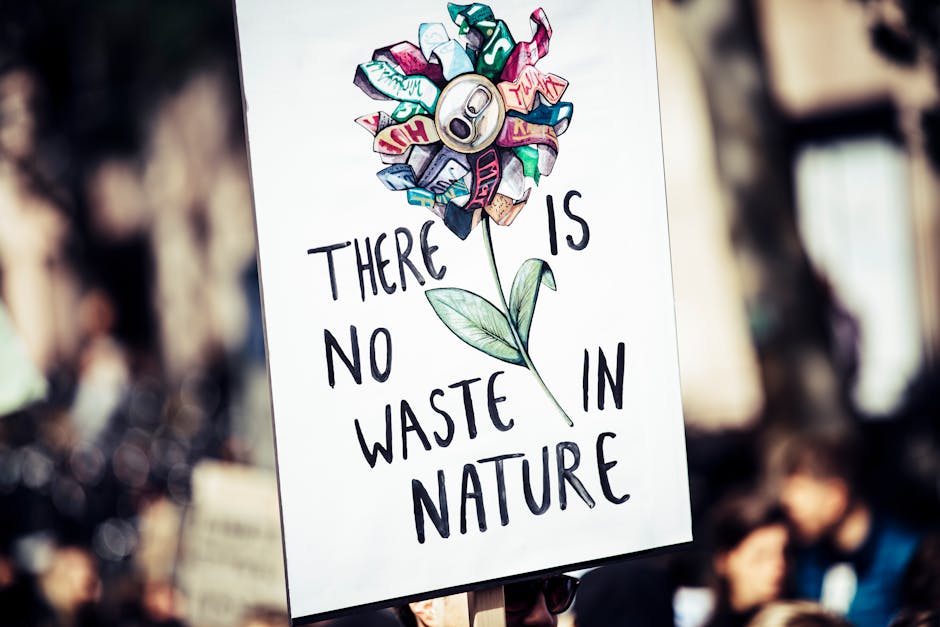
Companies like Releaf and medicalcannabis.co.uk operate within regulated https://bizzmarkblog.com/why-indoor-growing-needs-so-much-lighting-and-heating/ clinics and supply chains, ensuring product safety but also facing sustainability challenges inherent in indoor cultivation.
Indoor Cultivation Energy Demands
Indoor cultivation of medical cannabis offers precise control over plant growth parameters—critical for producing consistent, safe medications. However, maintaining ideal lighting, ventilation, and humidity indoors requires significant energy input:
Artificial Lighting: High-intensity lights mimic sunlight but consume large amounts of electricity. Climate Control: HVAC systems sustain temperature and humidity, often running continuously. Air Filtration: To prevent contamination and maintain air quality, filtration systems add to energy consumption.Despite the crop being plant-based, the energy footprint can rival or exceed that of synthetic pharmaceuticals manufactured in industrial settings. Thus, energy sourcing (renewables vs. fossil fuels) and efficiency gains become critical considerations for sustainable cultivation.
Specialist Clinics and Regulated Supply Chain Oversight: Ensuring Both Efficacy and Responsibility
To balance effective, safe care with environmental responsibility, specialist clinics and regulated supply chains play pivotal roles. They uphold stringent standards for quality control while offering opportunities to drive sustainability improvements.
Role of Specialist Clinics
- Patient-Centered Care: Clinics tailor treatments, optimizing dose and reducing waste of medical products. Education & Compliance: By advising patients on proper storage, usage, and disposal, clinics minimize product discard and environmental leakage. Data Collection: Clinics can monitor real-world outcomes to refine treatment protocols and reduce resource use over time.
Regulated Supply Chain Oversight
Robust oversight ensures that medical products—from raw materials to finished goods—remain safe, effective, and traceable. This also enables:
- Supply Chain Transparency: Knowing where inputs come from allows targeting sustainability hotspots. Waste Management Protocols: Hazardous and clinical waste require specialized handling to avoid environmental harm. Innovation Encouragement: Regulatory frameworks can incentivize eco-friendly packaging and energy-efficient production methods without compromising safety.
The Balancing Act in Action: Practical Insights
Let’s examine a simplified table illustrating common sustainability challenges and typical trade-offs encountered in healthcare, especially within medical cannabis production and distribution:
Area Sustainability Goal Clinical / Regulatory Constraint Trade-Off Potential Solution Packaging Reduce plastic usage and waste volume Must maintain sterility, tamper-evidence, and product stability Additional layers or materials may be necessary, increasing waste Use recyclable or compostable materials certified for medical use Production Lower energy consumption in cultivation Indoor growing requires controlled environment for precise dosing High energy use for lights, HVAC, and air filtration Invest in energy-efficient LED lighting and renewable energy sourcing Product Usage Minimize dose wastage and expired products Patient safety demands strict expiry and storage conditions Discarded unused medication contributes to waste Patient education and dose customization via specialist clinics Waste Disposal Environmentally sound disposal of medical waste Regulations prevent simple recycling or landfill Specialized incineration or treatment consumes energy Explore waste-to-energy technologies with emissions controlsConclusion: Embracing Complexity to Advance Sustainability
Healthcare sustainability is not a linear pursuit of “green” products and practices but a dynamic balancing act involving clinical needs, regulatory frameworks, and environmental responsibility. Companies like Releaf and medicalcannabis.co.uk illustrate the delicate negotiations required to provide effective, safe care amid sustainability constraints—especially in emerging fields such as medical cannabis.
By leveraging specialist clinics for personalized patient engagement and maintaining regulated supply chain oversight, the healthcare sector can make meaningful progress toward reducing its environmental footprint. However, this requires transparent recognition of necessary trade-offs, especially around energy use, packaging, and waste disposal.
The future of sustainable healthcare lies not in simple buzzwords or grand promises but in detailed, practical innovations that uphold patient safety while gradually reducing ecological impacts. For those working within healthcare—from clinicians and supply chain managers to product developers—asking “What happens at disposal?” must remain a central question whenever introducing new materials or processes touted as 'green.'
```